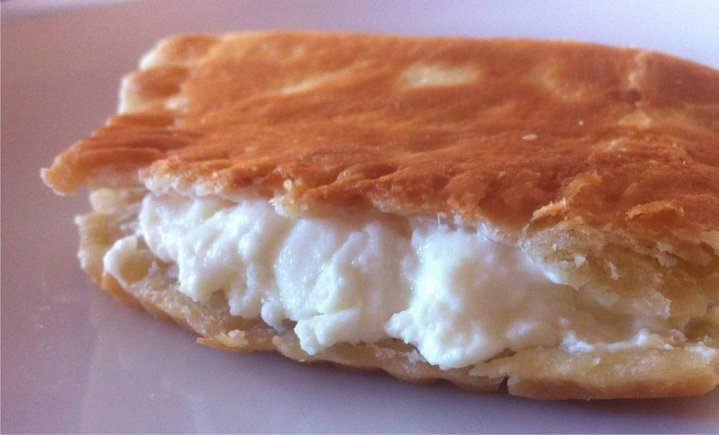
Authentic Tiganopsomo: Your Guide to Greek Fried Bread with Feta
Imagine a culinary embrace – warm, soft, yet delightfully crispy on the outside, with a molten, savory heart of tangy feta and aromatic herbs. This isn't just a dream; it's the reality of authentic Tiganopsomo, Greece's beloved Greek fried bread stuffed with feta & herbs. More than just a simple dish, Tiganopsomo (Τηγανόψωμο) is a taste of Greek comfort, a rustic delight that transports you straight to a sun-drenched island kitchen or a bustling Athenian café. It’s the kind of food that makes you close your eyes and savor every single bite, a testament to the magic that happens when humble ingredients meet time-honored techniques.
Often enjoyed for breakfast, a light lunch, or as a satisfying snack, this versatile treat combines the irresistible allure of fried dough with the unparalleled flavor of authentic Greek cheese. Forget everything you thought you knew about traditional bread; this is a revelation – a pillowy disc of dough, generously filled and pan-fried to golden perfection. If you're ready to dive deep into a world of simple, profound flavors, let's explore the art of making and enjoying this incredible greek fried bread.
What Exactly is Authentic Tiganopsomo? Unveiling Greek Fried Bread
The name Tiganopsomo itself offers a clue to its identity: "Tigani" translates to frying pan, and "Psomi/o" means bread. Together, they paint a clear picture of its preparation – bread cooked in a pan. But Tiganopsomo is far more than just "fried bread." It's a culinary staple, particularly cherished in regions like Evia, where it embodies the simplicity and richness of Greek home cooking.
At its core, Tiganopsomo is a soft, pliable bread dough, rolled thin and then lovingly filled. While plain versions exist, the most celebrated and arguably the most delicious rendition features a generous stuffing of creamy, salty feta cheese, often mingled with a vibrant medley of fresh herbs. This stuffed parcel is then shallow-fried in golden olive oil until each side achieves a beautiful, golden-brown hue and a satisfyingly crisp exterior, while the inside remains tender and the cheese delightfully melted.
Historically, this delectable greek fried bread was often made in the mornings, utilizing a portion of the dough prepared for the day's regular bread baking. This tradition speaks to its resourceful nature and its role as a quick, hearty breakfast or snack before a day of work. It's a food deeply rooted in Greek culture, a symbol of hospitality and ingenious culinary heritage, making it an essential experience for anyone exploring Traditional Tiganopsomo: Greek Fried Bread for Breakfast & Beyond.
The Heart of the Flavor: Feta, Herbs, and Olive Oil
The magic of Tiganopsomo lies in its seemingly simple yet perfectly balanced ingredients. Each component plays a crucial role in creating its distinctive and utterly addictive flavor profile.
- The Feta Cheese: This is non-negotiable. For true authenticity, opt for genuine Greek feta, made from sheep's milk or a combination of sheep's and goat's milk. Its characteristic tangy, salty, and slightly crumbly texture becomes wonderfully soft and creamy when heated, providing a burst of flavor in every bite. The quality of your feta will significantly impact the final taste of your greek fried bread.
- The Aromatic Herbs: Fresh herbs are the soul of Tiganopsomo, providing a refreshing counterpoint to the richness of the cheese and the fried dough. While oregano is almost always present for its earthy, peppery notes, other herbs often join the party. Traditional choices include fragrant mint for a touch of coolness, fresh parsley for brightness, rosemary for its piney aroma, and a hint of sage for depth. A mix of these finely chopped herbs, combined with the feta, creates an irresistible aromatic filling. Don't be shy; the more fresh herbs, the better!
- The Golden Olive Oil: The frying medium is just as vital as the filling. Extra virgin olive oil, a cornerstone of Greek cuisine, is the traditional and best choice. It imparts a subtle fruitiness and a beautiful golden color to the bread, creating that coveted crispy crust without making it greasy. The moderate heat used for frying ensures the bread cooks evenly and develops its flavor without burning.
Beyond these core elements, some variations might include a sprinkle of black pepper, a pinch of chili flakes for a subtle kick, or even a touch of grated hard cheese like graviera for added complexity. However, the classic combination of feta and fresh herbs fried in olive oil remains the gold standard for this beloved greek fried bread.
Crafting Your Own Tiganopsomo: A Step-by-Step Culinary Journey
Creating your own Tiganopsomo is a rewarding experience, surprisingly straightforward and ready in just over an hour. Here’s how to bring this Greek delight to your kitchen:
Preparing the Dough:
Start with a simple, yeasted bread dough. You can use your favorite basic bread recipe or a specific Tiganopsomo dough which is often slightly softer and more pliable.
- Once your dough has risen, gently punch it down and divide it into 6-8 equal portions, rolling each into a small, smooth ball. This ensures manageable sizes for frying.
- On a lightly floured surface, take one dough ball and use a rolling pin to flatten it into a thin circle, roughly 6-8 inches in diameter. The thinner you roll it, the crispier your finished bread will be, but be careful not to tear it.
The Flavorful Filling:
In a small bowl, combine your crumbled feta cheese with your finely chopped fresh herbs (oregano, mint, parsley, rosemary, sage are excellent choices). Mix well to distribute the herbs evenly.
- Spoon a generous amount of the feta and herb mixture onto the center of each flattened dough circle, leaving about a 1-inch border around the edges.
- Carefully bring the edges of the dough up and over the filling, pinching them together tightly to create a sealed parcel. Ensure there are no gaps, or the cheese will leak during frying. Once sealed, gently flatten the stuffed dough ball again with your rolling pin, being careful not to push too hard, to create a thin, even disc.
The Frying Process:
- Heat a generous amount of good quality extra virgin olive oil in a large frying pan over low to medium heat. You want enough oil to coat the bottom of the pan thoroughly, but not deep-frying levels.
- Once the oil is shimmering, carefully place one or two Tiganopsomo discs into the pan, ensuring they don't overcrowd it.
- Fry for 3-5 minutes on each side, or until they turn a beautiful golden brown and appear puffed and cooked through. It's crucial to use a lower heat to allow the bread to cook internally and the cheese to melt without burning the exterior. Turn them frequently to ensure even cooking and browning.
- Once golden brown and cooked, remove the Tiganopsomo from the pan and place them on a plate lined with paper towels to absorb any excess oil.
Chef's Tip: Don't rush the frying. Low and slow is key to achieving that perfect balance of crispy exterior and soft, melted interior. Test one first to adjust heat and cooking time if needed.
Serving Suggestions: Elevating Your Greek Fried Bread Experience
Tiganopsomo is at its absolute best when served warm, straight from the pan. Its versatility allows it to shine in many different culinary roles:
- Traditional Toppings: A classic Greek way to enjoy Tiganopsomo is drizzled with a touch of local honey for a delightful sweet and savory contrast. Alternatively, a splash of good quality balsamic vinegar offers a tangy counterpoint that cuts through the richness beautifully.
- For Breakfast or Brunch: Serve it alongside scrambled eggs, a fresh Greek salad, or a dollop of thick Greek yogurt. Its comforting nature makes it perfect for starting your day.
- As a Savory Snack or Appetizer: Cut into wedges, Tiganopsomo makes a fantastic party appetizer. Pair it with a cooling tzatziki dip, a spicy feta spread (tyrokafteri), or a simple bowl of olives. Its savory profile also makes it an excellent accompaniment to a cold beer or a glass of crisp white wine.
- A Hearty Side Dish: This savory greek fried bread pairs wonderfully with roasted meats, grilled fish, or vegetable dishes, adding a satisfying carbohydrate element to your meal.
Whether you prefer it plain, sweet, or savory, the warmth and aroma of freshly made Tiganopsomo are guaranteed to bring a touch of Greek sunshine to your table.
Authentic Tiganopsomo, this delightful greek fried bread, is more than just a recipe; it's an experience. It's the taste of generations of Greek cooks, the warmth of a Mediterranean morning, and the simple joy of wholesome ingredients transformed into something extraordinary. Easy to make and utterly delicious, it embodies comfort and flavor in every bite. We encourage you to try making this incredible dish at home – it’s a culinary journey you won't regret embarking on.
