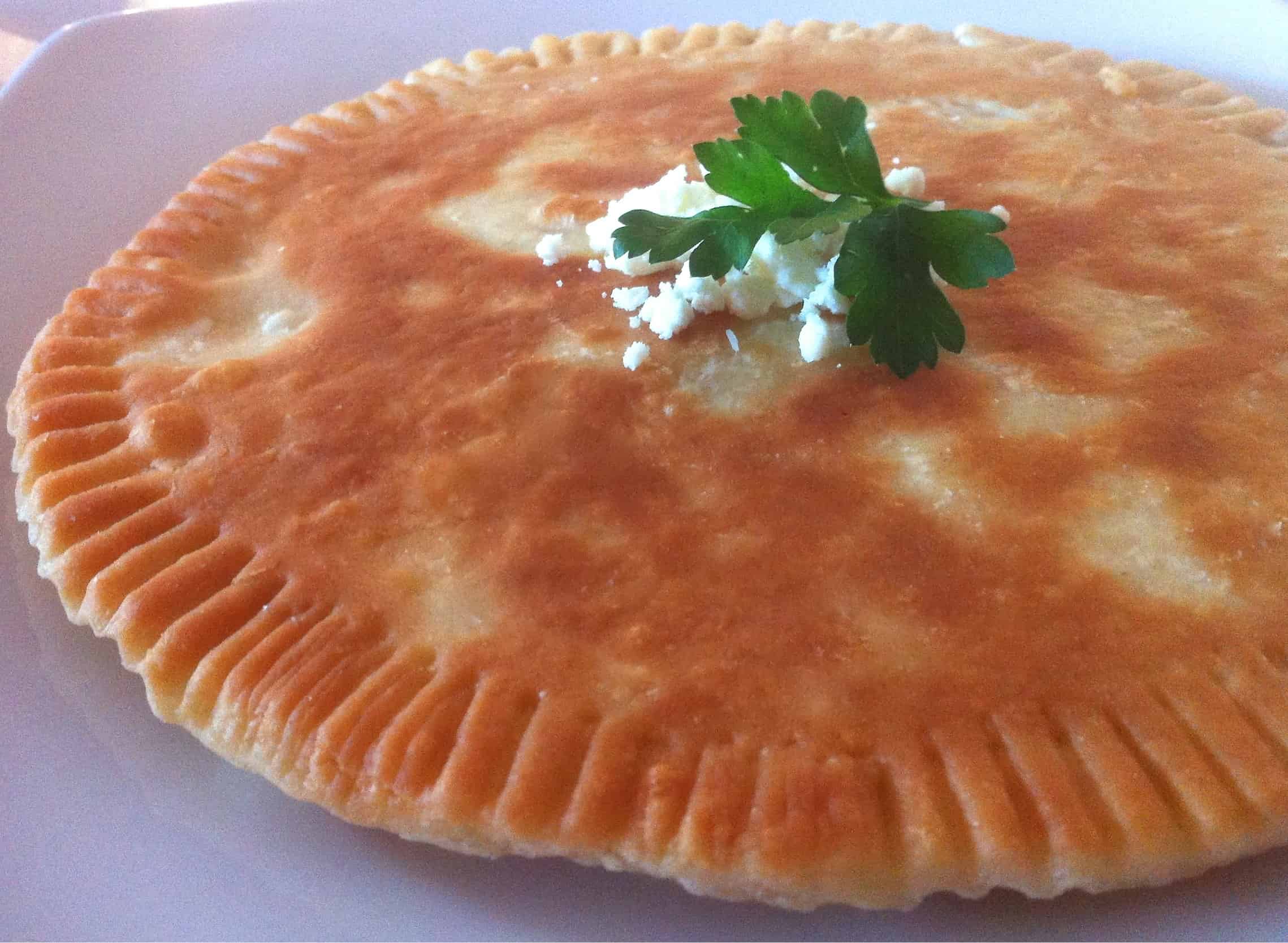
The Irresistible Allure of Traditional Tiganopsomo: Greece's Beloved Fried Bread
Imagine a warm, golden-brown parcel, subtly crispy on the outside, yielding to a soft, fluffy interior bursting with tangy feta and fragrant herbs. This, in essence, is Tiganopsomo, Greece’s cherished fried bread. More than just a simple dish, it's a culinary hug, a staple that transcends mere sustenance to become a symbol of comfort, tradition, and the Mediterranean way of life. While often spotlighted as a delectable Greek breakfast item, its versatility ensures it graces tables throughout the day, proving that few things are more universally appealing than delicious fried bread.
For many, Tiganopsomo evokes memories of family kitchens, the sizzle of olive oil, and the aroma of fresh dough mingling with savory fillings. It's a testament to the simplicity and richness of Greek cuisine, transforming humble ingredients into an extraordinary experience. Whether you’re seeking a hearty start to your day, a satisfying snack, or a delightful accompaniment to a meal, this traditional Greek fried bread holds an undeniable charm.
Deconstructing Tiganopsomo: History, Name, and Local Charm
The name Tiganopsomo itself offers a delightful clue to its nature: "tigani" means frying pan, and "psomi" (or "psomo") means bread. Thus, "frying pan bread" perfectly encapsulates its preparation method. This delicious tradition speaks volumes about Greek culinary ingenuity and resourcefulness. Historically, and still in many homes, Tiganopsomo was a morning ritual, crafted from a portion of the leftover dough intended for the day's regular bread. This practice ensured no ingredient went to waste, turning a simple byproduct into a highlight of the meal.
While the essence of Tiganopsomo remains consistent, local variations add layers to its rich tapestry. From the island of Evia, for instance, stories abound of unique interpretations and cherished family recipes passed down through generations. These regional nuances often reflect the local produce and preferred herb mixes, making each Tiganopsomo a distinctive expression of its place of origin. This rich heritage underscores the dish's status as a true piece of Greek comfort food.
The Heart of Tiganopsomo: Feta and Aromatic Herbs
At the core of the classic Tiganopsomo lies its irresistible stuffing: a generous helping of creamy, salty feta cheese. The briny tang of authentic Greek feta is non-negotiable, providing the perfect counterpoint to the soft bread and enhancing its savory profile. But feta rarely works alone.
The magic truly happens with the infusion of fresh, aromatic herbs. While the specific blend can vary, a traditional mix often includes:
- Oregano: Earthy and robust, a quintessential Greek herb.
- Rosemary: Pungent and piney, adding a sophisticated depth.
- Mint: Bright and refreshing, offering a surprising lift to the richness.
- Parsley: Fresh and verdant, contributing a clean, herbaceous note.
- Sage: Slightly peppery and musky, rounding out the savory flavors.
These herbs, ideally freshly chopped, are mixed with the crumbled feta, creating a filling that is vibrant, complex, and utterly delicious. The combination of salty cheese and fragrant herbs is what truly elevates this simple fried bread into a culinary masterpiece, a delight for the senses and a testament to the power of fresh, quality ingredients.
Crafting the Perfect Greek Fried Bread: A Culinary Journey
Making Tiganopsomo is a joy, a process that connects you to generations of Greek home cooks. While seemingly simple, mastering a few key steps ensures a truly authentic and delicious result. Let's delve into the method that turns humble dough into magnificent Authentic Tiganopsomo: Your Guide to Greek Fried Bread with Feta:
- Dough Preparation: The foundation of any good Tiganopsomo is a well-prepared bread dough. While some use leftover dough, you can easily make a fresh batch using flour, water, yeast, a pinch of salt, and a dash of olive oil. Knead until smooth and elastic, then allow it to rise until doubled in size. This crucial step develops the gluten, giving the bread its characteristic texture.
- Portioning the Dough: Once risen, gently punch down the dough and divide it into small, manageable balls, typically yielding about 6-8 pieces depending on your desired size. Each ball will become one Tiganopsomo.
- Preparing the Filling: Crumble your high-quality feta cheese into a bowl. Finely chop your chosen fresh herbs (oregano, mint, parsley, rosemary, sage – or a combination that appeals to you) and mix them thoroughly with the feta.
- Stuffing and Sealing: On a lightly floured surface, take one dough ball and flatten it into a thin, round disc using a rolling pin. Aim for a thickness of about 1/8 to 1/4 inch. Place a generous spoonful of the feta and herb mixture in the center of the dough disc. Carefully bring the edges of the dough together over the filling, pinching them firmly to create a sealed pouch. The goal is to completely encase the filling.
- Re-flattening: Once sealed, gently flatten the stuffed dough ball again with your rolling pin. Be careful not to press too hard, as this could cause the filling to burst through. You want to create a flat, even disc with the filling evenly distributed inside.
- Frying to Perfection: Heat a non-stick frying pan over medium-low heat. Add a generous amount of good quality olive oil – enough to coat the bottom of the pan and allow for shallow frying. Once the oil is shimmering (but not smoking), carefully place one or two Tiganopsomo discs into the pan, ensuring they don't overcrowd it.
- The Golden Rule: Fry each side until it turns a beautiful golden brown and the bread is cooked through. This usually takes about 3-5 minutes per side. Crucially, maintain a low to medium heat. Too high, and the outside will burn before the inside cooks; too low, and the bread will absorb too much oil and become greasy. Turn the bread often for even cooking.
- Serving Warm: Once golden and puffed, remove the Tiganopsomo from the pan and place it on a plate lined with paper towels to absorb any excess oil. Serve immediately, as it is best enjoyed warm, straight from the pan.
The aroma alone as they fry is enough to make your mouth water, promising a truly authentic Greek experience.
Beyond Breakfast: Versatile Pairings and Serving Suggestions
While often celebrated as a quintessential Greek breakfast, Tiganopsomo's appeal extends far beyond the morning meal. Its savory profile and satisfying texture make it incredibly versatile for any time of day.
Traditionally, Tiganopsomo is served warm with a drizzle of local honey, offering a delightful sweet-and-savory contrast that truly elevates the experience. Another popular topping is a touch of balsamic vinegar, which adds a tangy, sophisticated note. However, the possibilities don't end there:
- Savory Enhancements: Pair your Tiganopsomo with a dollop of cool, creamy tzatziki – the yogurt-cucumber dip offers a refreshing counterpoint to the fried bread. It also makes a fantastic companion to other Greek dips like hummus or melitzanosalata (eggplant dip). Consider a side of Kalamata olives or sun-dried tomatoes for an extra burst of Mediterranean flavor.
- As a Side Dish: It makes an excellent accompaniment to grilled meats, fish, or a hearty Greek salad, adding substance and flavor to any main course.
- Perfect Snack: Enjoy it simply on its own with a cup of Greek coffee or, as many Greeks do, with a cold beer for a casual, satisfying snack. The savory notes of the feta and herbs make it a fantastic pairing for a crisp lager.
- Creative Fillings: While feta and herbs are classic, don't shy away from experimentation! Consider adding finely chopped olives, sun-dried tomatoes, or even a different type of cheese like graviera for a new twist. Explore more savory variations in our article on Tiganopsomo: Savory Greek Fried Bread Stuffed with Feta & Herbs.
Its robust flavor and comforting nature ensure that Tiganopsomo is welcome at any table, at any time.
Expert Tips for Mastering Tiganopsomo at Home
To truly perfect your homemade Greek fried bread and elevate it from good to unforgettable, keep these expert tips in mind:
- Dough Consistency is Key: The dough should be soft, pliable, and slightly elastic. If it's too stiff, it'll be hard to roll and may result in a dense Tiganopsomo. If too sticky, it'll be challenging to handle and seal. Adjust with a little flour or water as needed during kneading.
- Don't Overstuff: While tempting to pack in the filling, too much feta can make the dough difficult to seal and prone to bursting during frying. Aim for a generous but manageable amount that allows for a secure seal.
- Seal Tightly: Pinch the edges of the dough firmly after adding the filling to prevent any cheese from leaking out into the hot oil. A good seal ensures the filling stays moist and flavorful.
- Embrace Good Olive Oil: Since "ladopsomo" (bread with oil) is another name, the quality of your olive oil matters immensely. Use a good extra virgin olive oil for frying. It not only provides the perfect medium for cooking but also imparts a subtle, fruity flavor that enhances the Tiganopsomo.
- Temperature Control is Crucial: As mentioned, frying on medium-low heat is vital. This allows the bread to cook through evenly, developing a beautiful golden crust without burning the exterior. Patience is a virtue here; resist the urge to crank up the heat.
- Serve Immediately: Tiganopsomo is at its absolute best when served fresh and warm, directly from the frying pan. The crust is crisp, the interior is soft, and the cheese is wonderfully melted.
- Storage and Reheating: While best fresh, leftover Tiganopsomo can be stored in an airtight container for a day or two. Reheat gently in a dry pan over low heat or in a toaster oven to restore some crispness, avoiding the microwave, which can make it soggy.
With these insights, you're well on your way to creating a Tiganopsomo that will rival those found in the most authentic Greek kitchens.
Conclusion
Traditional Tiganopsomo is more than just Greek fried bread; it's a culinary narrative, a simple yet profound expression of Greece's rich gastronomic heritage. From its humble origins born of resourcefulness to its status as a beloved comfort food, this savory fried bread with its aromatic feta and herb filling offers a taste of authenticity that's both deeply satisfying and endlessly versatile. Whether you're enjoying it for breakfast with a drizzle of honey, as a side dish, or simply as a comforting snack, Tiganopsomo invites you to savor a piece of Greek tradition. We encourage you to try making this delightful dish at home and discover for yourself the irresistible charm of Tiganopsomo.
