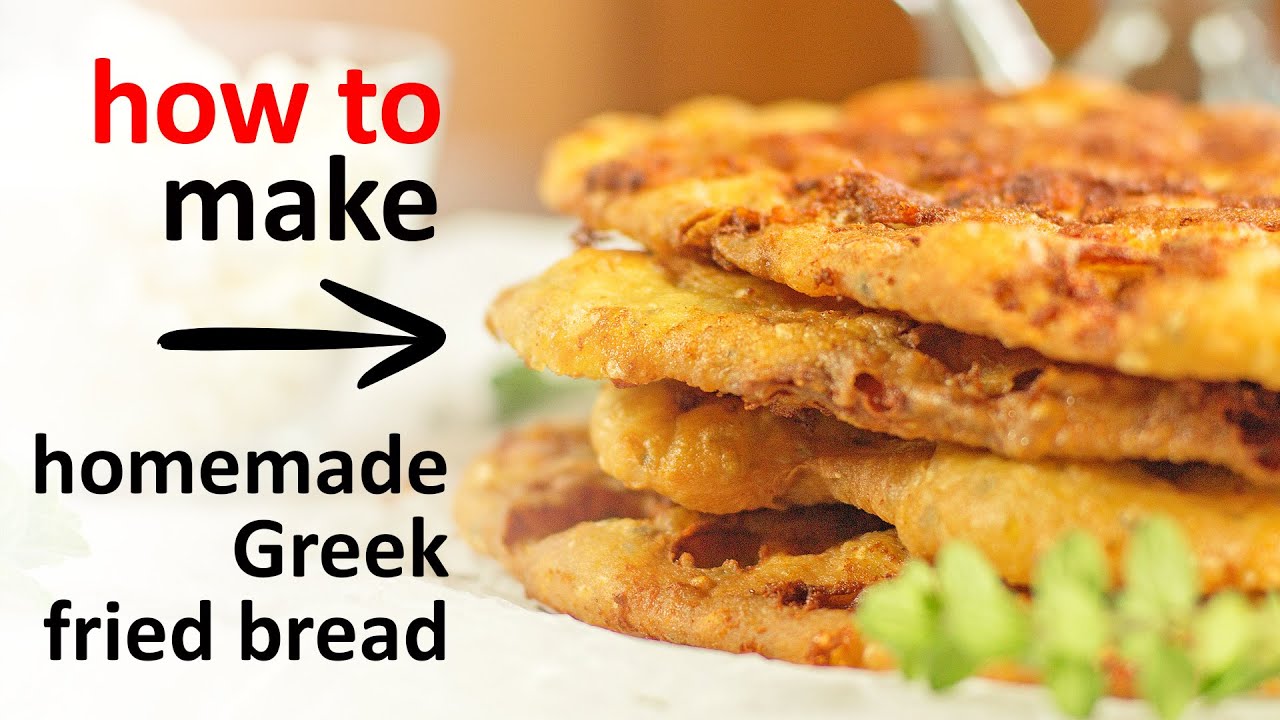
Tiganopsomo: A Culinary Staple of Greek Comfort
Imagine the irresistible aroma of freshly baked bread, amplified by the golden crisp of a perfect fry, all while cradling a savory heart of tangy feta and aromatic herbs. This isn't just a dream; it's Tiganopsomo, a cherished
authentic Greek fried bread that embodies the very essence of Mediterranean comfort food. Often hailed as the ultimate Greek breakfast indulgence, Tiganopsomo (Τηγανόψωμο) literally translates to "frying pan bread," a simple yet profound name that speaks to its rustic origins and preparation.
More than just a dish, Tiganopsomo is a culinary hug, a warm embrace from Greek tradition. While the concept of fried dough exists in countless cultures, the Greek rendition stands out with its signature stuffing. Thin, pliable dough is lovingly filled with a generous mixture of creamy feta cheese and a medley of fresh herbs, then pan-fried to a stunning golden perfection in rich olive oil. The result is a delightfully crisp exterior giving way to a soft, fluffy interior bursting with a harmonious blend of salty, savory, and herbaceous notes. It’s no wonder this particular
traditional Greek fried bread has become a beloved favorite, capable of transforming any meal into a special occasion.
The Irresistible Filling: Feta, Herbs & Beyond
The magic of Tiganopsomo truly lies in its exquisite filling. At its core is the iconic Greek feta cheese – crumbly, salty, and utterly distinct. When heated, the feta softens beautifully, developing a mellow creaminess that perfectly complements the crisp bread. But the feta isn't alone; it's elevated by a symphony of fresh herbs that inject layers of flavor and a vibrant freshness.
Traditionally, a mix of herbs such as oregano, mint, parsley, rosemary, and sage are used. Each herb contributes its unique character:
- Oregano: Earthy and robust, it's a quintessential Greek flavor that grounds the cheese.
- Mint: Provides a refreshing, slightly peppery counterpoint to the richness of the feta.
- Parsley: Offers a clean, bright, and slightly peppery note.
- Rosemary: Adds a fragrant, piney aroma and a sophisticated depth.
- Sage: Contributes a warm, slightly musky, and savory complexity.
The beauty of this combination is its adaptability. Feel free to experiment with the proportions or even introduce other herbs like dill or thyme to tailor the flavor profile to your preference. Some variations might even include a hint of garlic or finely chopped spring onions for an added aromatic kick, transforming the humble
greek fried bread into an even more complex culinary delight.
Beyond the classic, creative home cooks might explore alternative fillings. While feta is standard, a blend of feta with other soft cheeses like mizithra or even cream cheese can offer a different texture and flavor. Adding a sprinkle of black pepper or a pinch of red pepper flakes can introduce a subtle warmth, making each bite an adventure.
Crafting Your Own Savory Greek Fried Bread
Making Tiganopsomo is a rewarding experience that brings a taste of Greece into your kitchen. The process is surprisingly straightforward, building upon a basic bread dough and simple frying techniques.
Essential Ingredients & Preparations
To embark on your Tiganopsomo journey, you'll need:
- Bread Dough: While traditionally made with a portion of leftover bread dough, a simple homemade yeast dough (flour, water, yeast, salt, a touch of olive oil) works perfectly. Aim for a soft, pliable dough that's easy to work with.
- Feta Cheese: High-quality Greek feta is key. Crumbled is often easiest for mixing.
- Fresh Herbs: Your chosen mix, finely chopped.
- Olive Oil: Extra virgin olive oil for frying, imparting a distinct Mediterranean flavor and a beautiful golden crust.
- Optional Toppings: Honey, balsamic glaze, or tzatziki for serving.
The Art of Assembling and Frying
The preparation of this delightful
greek fried bread involves a few simple steps:
- Prepare the Dough: If making from scratch, allow your dough to rise until doubled in size. Once risen, gently deflate it and divide it into small, manageable balls (about the size of a golf ball or slightly larger, depending on your desired Tiganopsomo size).
- Roll & Fill: On a lightly floured surface, flatten each dough ball into a thin, round disc using a rolling pin. The thinner the dough, the crisper your Tiganopsomo will be. Place a generous spoonful of the feta and herb mixture in the center of each disc.
- Seal the Deal: Carefully fold the edges of the dough over the filling, pinching them together firmly to create a sealed pocket. This ensures the precious filling stays inside during frying. Gently flatten the stuffed dough ball again, being careful not to let the filling burst through. Aim for a disc shape, about 1/4 to 1/2 inch thick.
- Pan-Frying Perfection: Heat a generous amount of olive oil in a large frying pan over medium-low heat. The key is *medium-low* heat – this allows the bread to cook through and become golden brown without burning the outside or leaving the inside raw. Place the flattened, stuffed dough into the hot oil.
- Flip & Golden Brown: Fry each side for several minutes, turning frequently (every minute or so) until both sides are beautifully golden brown and the bread is cooked through. The continuous turning helps achieve an even cook and prevents scorching.
- Serve Warm: Once cooked, remove the Tiganopsomo from the pan and place it on a plate lined with paper towels to absorb any excess oil. Serve immediately.
Tips for Mastering Tiganopsomo
To elevate your
greek fried bread from good to unforgettable, consider these expert tips:
- Dough Consistency is Key: A slightly sticky but manageable dough is ideal. If it's too stiff, it'll be hard to roll thin; too wet, and it might absorb too much oil. Adjust with a little more flour or water as needed during kneading.
- Don't Overfill: While tempting to pack in as much feta as possible, overfilling can lead to bursting during frying, releasing cheese into the oil. Aim for a balanced amount that allows for a secure seal.
- Mind the Heat: Frying on medium-low heat is crucial. High heat will quickly brown the exterior, leaving the dough raw inside. Patience is a virtue here.
- Quality Olive Oil: Using good quality extra virgin olive oil not only imparts a superior flavor but also contributes to that authentic Greek experience. Don't skimp!
- Fresh vs. Dried Herbs: While fresh herbs are preferred for their vibrant flavor and aroma, good quality dried oregano can be used in a pinch, especially if fresh is unavailable. Just remember that dried herbs are more concentrated, so use about a third of the amount you would use for fresh.
- Seasoning the Filling: Don't forget a pinch of black pepper in your feta and herb mixture. Some even add a tiny bit of red pepper flakes for a subtle kick.
Serving Suggestions and Culinary Pairings
Tiganopsomo is incredibly versatile and can be enjoyed in various ways, proving its worth far beyond just a breakfast item.
For breakfast, serve your warm
greek fried bread drizzled with a touch of local honey for a delightful sweet-and-savory contrast. Alternatively, a splash of balsamic glaze can add a sophisticated tang. It pairs wonderfully with a strong Greek coffee or a refreshing glass of freshly squeezed orange juice.
Beyond breakfast, Tiganopsomo shines as a savory snack or a unique appetizer. It’s fantastic alongside a cold beer, as suggested in its Evian origins, making it perfect for a casual gathering. It can also be served as a side dish to a light Greek salad or alongside grilled meats. For an extra layer of flavor, consider dipping it into a cool, creamy tzatziki or a spoonful of plain Greek yogurt. The refreshing elements perfectly complement the rich, fried bread. You could even serve it as part of a meze platter, allowing guests to tear and share.
This
greek fried bread truly transcends meal times. Its comforting texture and satisfying flavors make it suitable for any occasion, from a quick comforting bite to a centerpiece on a vibrant Greek-themed spread.
In conclusion, Tiganopsomo is more than just a fried bread; it's a taste of Greek heritage, a simple yet profoundly delicious dish that celebrates fresh ingredients and time-honored techniques. Its savory feta and herb stuffing, encased in a perfectly crisp, golden crust, offers a unique culinary experience that is both comforting and endlessly satisfying. Whether you're a seasoned chef or a kitchen novice, trying your hand at this exquisite Greek fried bread is a journey worth taking – one that promises to fill your home with incredible aromas and your plate with pure joy.